
How Many Restrooms Does a County Fair Need?
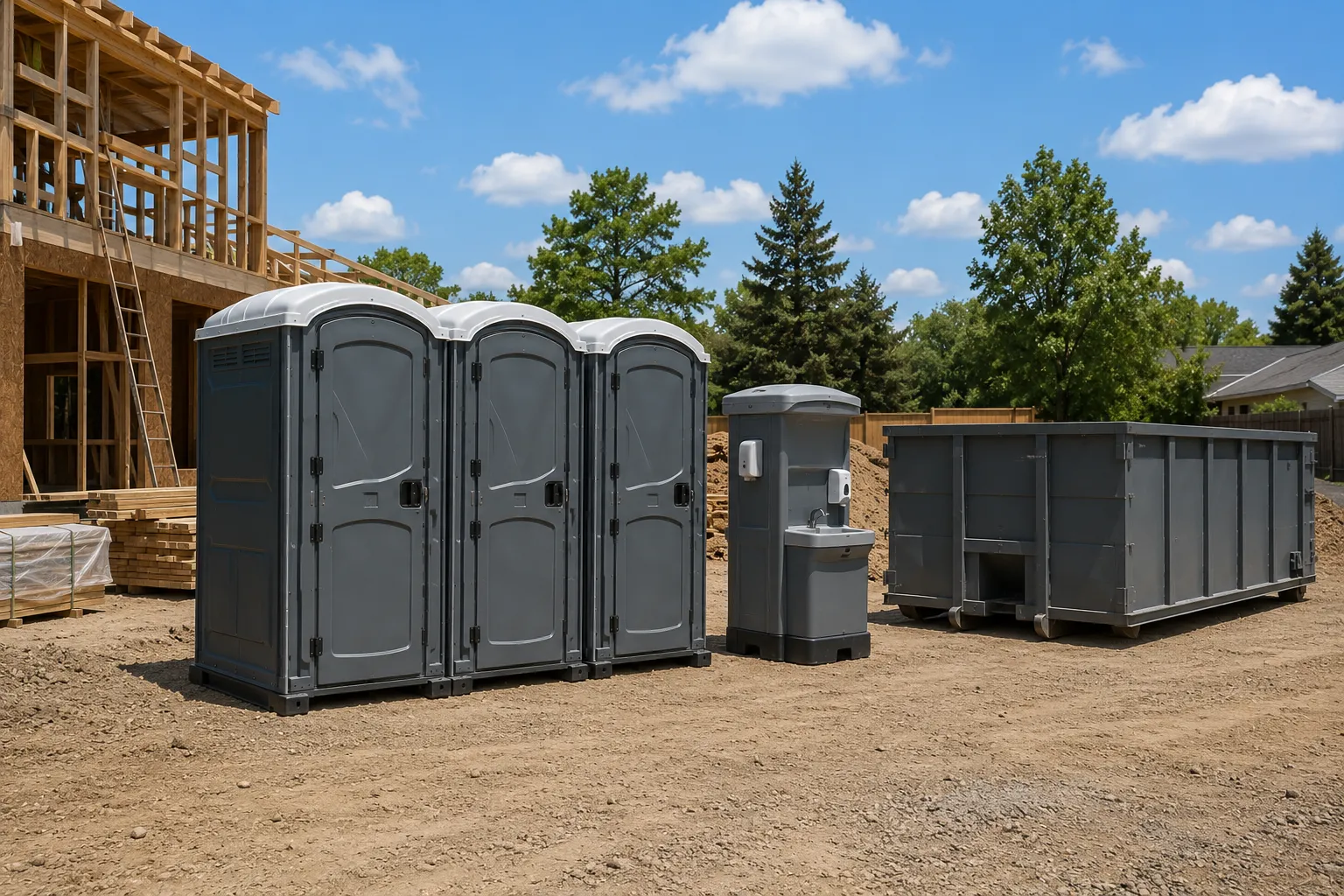
Fair crowds are lumpy. You get a trickle at gates open, a crush at lunch, another at the evening show, then a slow drain after dark. That's different from a construction crew working steady 8-hour shifts, which is what OSHA 1926.51(c) was written around: 1 toilet for 20 workers or fewer, then 1 seat and 1 urinal per 40 up to 200. Fairs need more density than that because everyone shows up at once. Lehi Porta Pros plans fair jobs off expected daily attendance and hours open, then adds units near stages, food rows and livestock barns where lines bunch up. A fairground with a grandstand and a midway usually needs restrooms staged in at least three separate clusters, not one bank by the entrance. We also work in standard portable toilets alongside a few deluxe flushable units for VIP areas or sponsor tents, and at least one ADA accessible unit per cluster, following ADA Standards 213.2, which requires 5 percent of clustered single-user units to be accessible, never fewer than one. If your fair runs multiple days, our porta potty rental checklist walks through gate counts, servicing windows and teardown timing before you sign anything. For a rough first pass, our how many porta potties do I need guide gives you a starting number to bring to us.
What Restroom Options Work Best for a Fair?
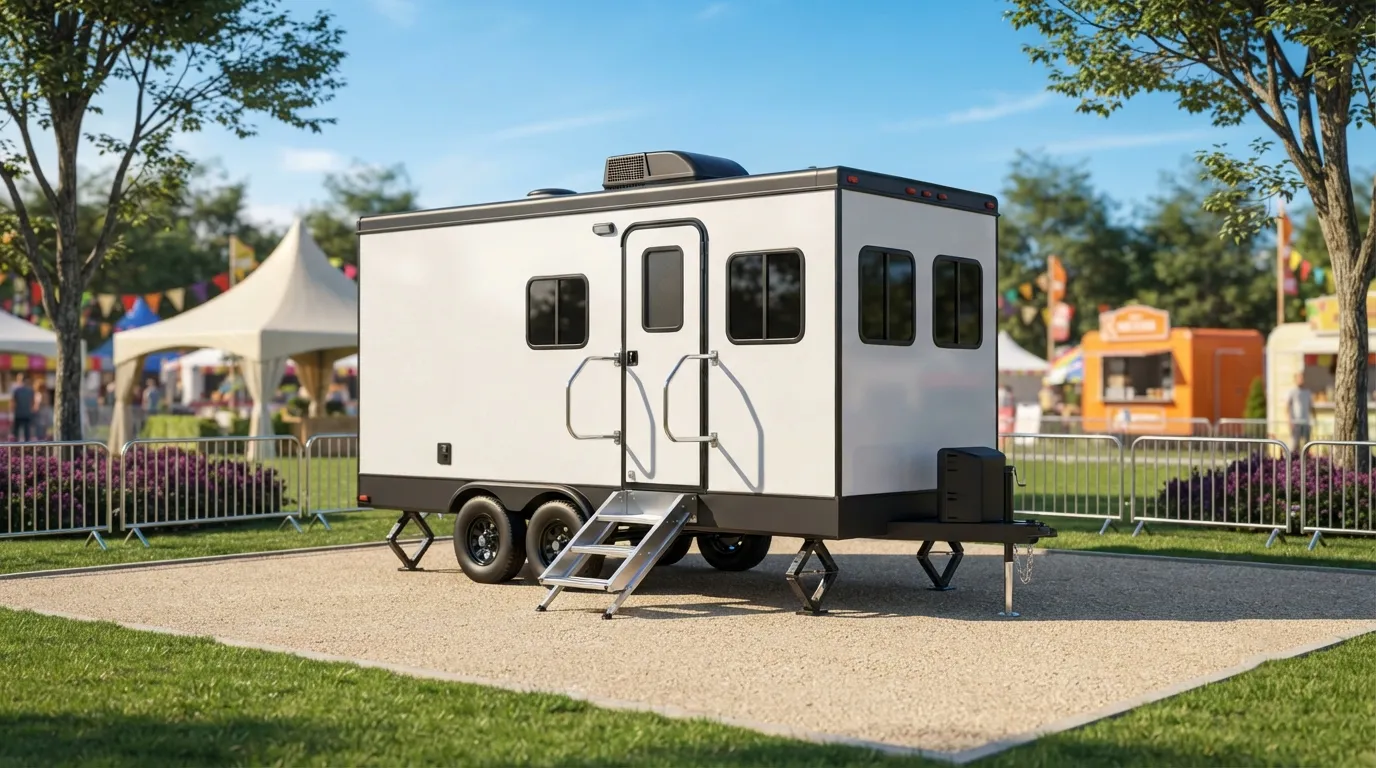
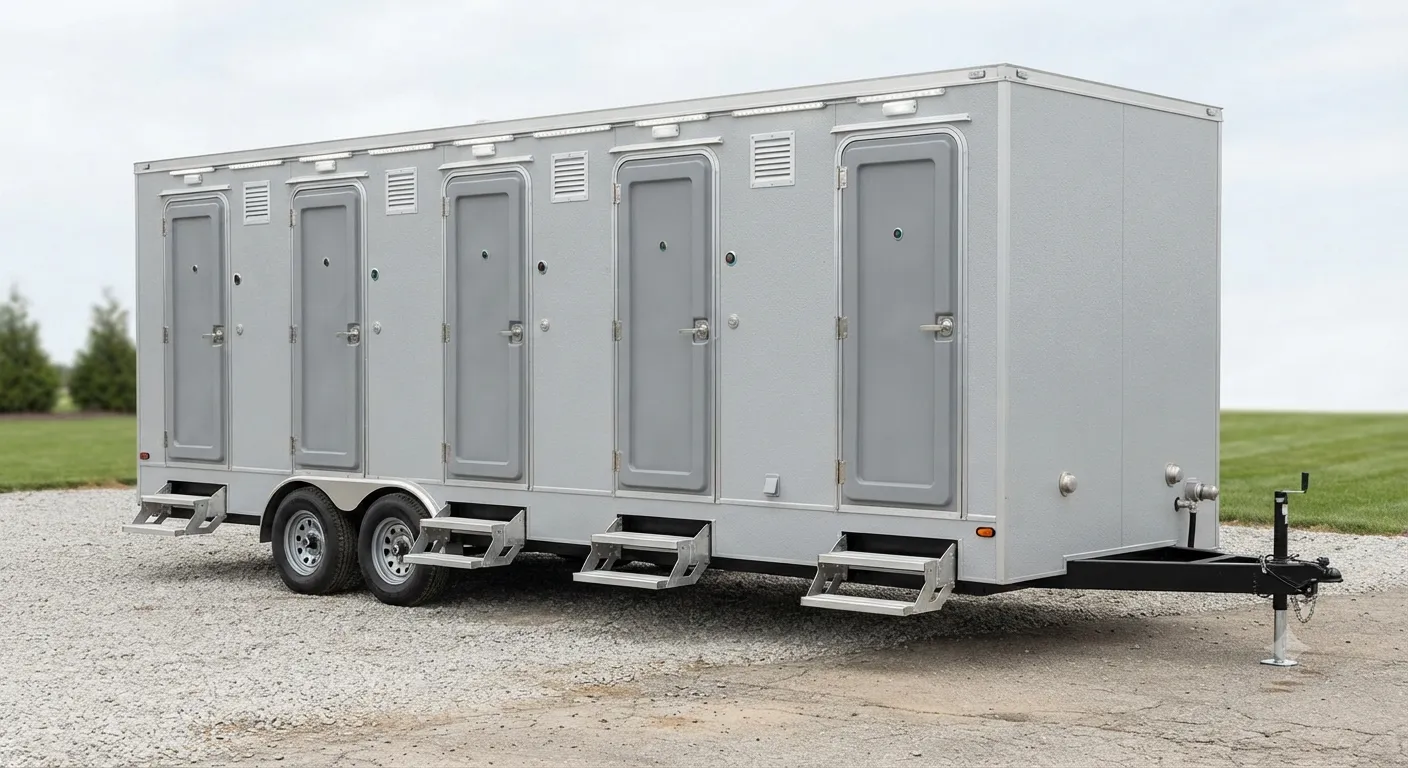
Standard units cover the midway and general grounds. Restroom trailers cover anywhere image matters: sponsor row, a beer garden, a VIP hospitality tent near the grandstand. A 4-stall restroom trailer or 8-stall restroom trailer moves a lot more people through than the same footprint of standalone units, and it flushes, which matters when you've got families walking past all day. For food vendors running fryers or grills, a grease interceptor gets pumped once fats, oils, grease and solids reach 25 percent of the liquid depth, so if your fair has a concession row running multiple days, ask us about grease trap pumping before day two backs up on you. Livestock barns and 4-H areas often need a step below full restrooms too: a simple handwashing station rental at barn entrances keeps hands clean between animal contact and the food court, and under 29 CFR 1910.141(d)(2) any hand station has to carry soap and a towel or drying device, not just sanitizer. We also stage portable sink rental units near food trucks on request. Fairgrounds in Lehi tend to spread across open lots with no shade structure, so placement also has to account for ground stability under ADA Standards 302.1, which calls for firm, slip-resistant surfaces on accessible routes.
When Should Fair Restroom Rentals Be Scheduled?
Book 4 to 6 weeks out for a weekend fair, longer if it's the only fair in the county that month and everyone's calling the same vendors. Multi-day fairs need a servicing plan built in, not bolted on after the fact. ANSI/PSAI Z4.3 sets a baseline service interval of once per week for light use, but a fairground running 2,000-plus people a day needs same-day or twice-daily pumping to keep tanks from topping out on unit two of a three-day run, and we scope that into the quote up front, not as a surprise add-on. Lehi sits close enough to draw fair crowds from American Fork, 5.9 miles southeast, and Saratoga Springs, 8.1 miles southwest, so gate counts can run higher than a fair's usual local draw. We also stage light tower rental units near restroom clusters for evening hours, since fair schedules run past dark more often than a typical construction site does. If your fairground needs perimeter control for livestock pens or a ticketed area, pair restrooms with temporary fence rental or crowd control barrier rental in the same delivery window to cut down on truck trips. See our festival restroom rental and event restroom rental pages for setups that overlap heavily with fair layouts.
How much do county fair restroom rentals cost in Lehi?
Standard units for multi-day events run in the event pricing band, typically $200 to $800 depending on count and duration. A weekend rental for a smaller fair falls closer to $125 to $400 per unit. Get a real number through request a quote once you know your gate estimate.
Do we need ADA-accessible units at a county fair?
Yes. Clustered single-user units require at least 5 percent accessible, never fewer than one, under ADA Standards 213.2. A three-day fair with restrooms spread across the grounds needs accessible units in every cluster, not just near the main gate.
Can restroom trailers handle fairground crowds?
They can, especially near food courts and grandstands where foot traffic bunches. An 8-stall restroom trailer moves more people per hour than standalone units and gives sponsors a nicer space for VIP tents.
How often do fair restrooms get serviced?
Baseline is once weekly per ANSI/PSAI Z4.3, but a busy fairground needs daily or twice-daily service. We scope servicing frequency around your actual attendance, not the standard interval.
What about handwashing near livestock barns?
Barn entrances need a dedicated handwashing station rental separate from restroom clusters. Soap and a towel or air dryer are required under 29 CFR 1910.141(d)(2); sanitizer alone doesn't meet it.
Next step
Get a delivery date
Tell us the address, the dates and the headcount. We size the order and confirm the route.