
How Do Porta Potties Work?
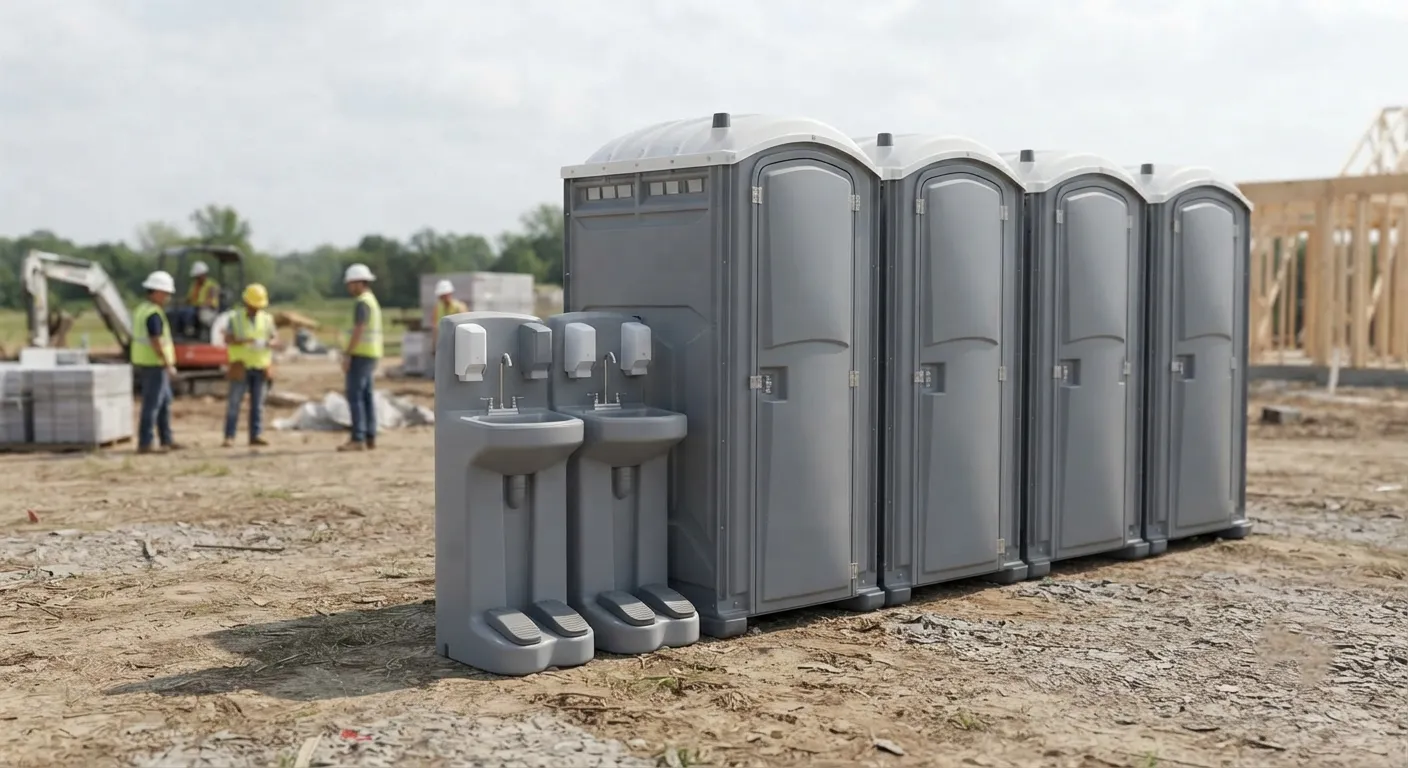
A unit is really three simple parts. The seat and bowl sit over the holding tank, which is 60 to 70 gallons on a standard porta potty and built about 44 by 48 inches at the base, standing roughly 92 inches tall. A blue deodorizing fluid breaks down waste and knocks down odor between services. Above that, a vent pipe pulls air out of the tank rather than into the stall, which is why a well-maintained unit does not smell like the horror stories. There's no water tank, no flush valve tied to a supply line, so it works the same at a Lehi jobsite as it would out past Saratoga Springs, 8.1 miles southwest, off any water grid entirely. For crews, portable toilet rental capacity gets planned around headcount. OSHA 1926.51(c) sets the ratio at one toilet for 20 workers or fewer, scaling up from there. If you are trying to figure out how many units a Lehi crew actually needs, the how many porta potties do I need guide walks through the math, and OSHA portable toilet requirements breaks down the ratio table in full.
How Do Flushable Porta Potties Work?
A deluxe flushable porta potty adds a small onboard freshwater tank and a foot pump or battery flush that pushes a measured rinse into the bowl after each use, dropping waste into the same style of holding tank below. It feels closer to a home bathroom. Some deluxe units also add a hand sanitizer dispenser or a small sink basin, which brings us to how does portable sink work: a portable sink rental unit holds fresh water in an upper tank, gravity or a small pump feeds the faucet, and gray water drains into a separate holding tank underneath, no hookup needed. That two-tank setup, fresh water up top and waste water below, is also how a handwashing station rental works on a construction site. It matters for compliance too: 29 CFR 1910.141(d)(2) requires soap and towels or a hand-drying device at wash stations, and sanitizer alone does not satisfy it. For jobs involving paint, coatings, or pesticide work, OSHA 1926.51(f)(1) requires washing facilities specifically because of those contaminants, not as a general handwashing rule. Weddings and backyard parties in Lehi lean toward the flushable option; check the wedding restroom rental page for guidance on that call.
Why Do Construction Sites Need Porta Potties?
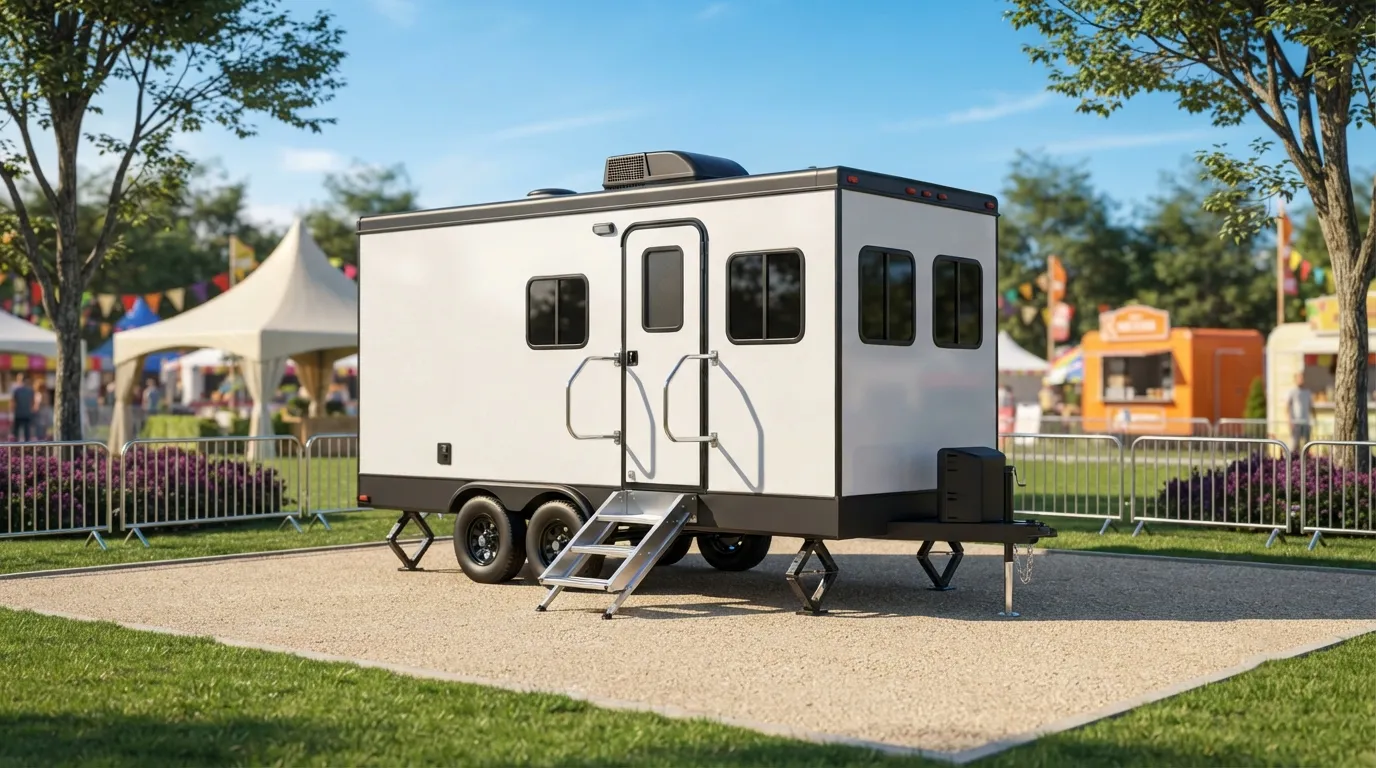
Because OSHA requires them, and because a crew that has to drive off-site to find a bathroom is a crew losing paid hours. A construction worker running to a porta potty between pours or lifts is normal on a tight schedule, so placement close to the active work area matters as much as the unit count. OSHA 1926.51(c) is the baseline ratio, but construction site services planning also has to account for site layout, since ADA Standards 213.2 requires that at least 5 percent of clustered single-user units be accessible, with a minimum of one. An ADA accessible porta potty needs a 60 inch turning circle under ADA 304.3.1 and a 32 inch clear door opening under ADA 404.2.3, so it takes more footprint than a standard unit. Ground has to be stable and level too; ADA 302.1 calls for firm, slip-resistant surfaces, which rules out soft turf or loose gravel pads. Farms and agricultural operations around Lehi have their own rule: OSHA 1928.110 requires field sanitation with a facility within a quarter mile of hand-labor workers, at one per 20 employees. See farm and agricultural restrooms for that setup, and construction dumpster rental if the same site needs debris hauled too.
How Often Are Porta Potties Cleaned and Serviced?
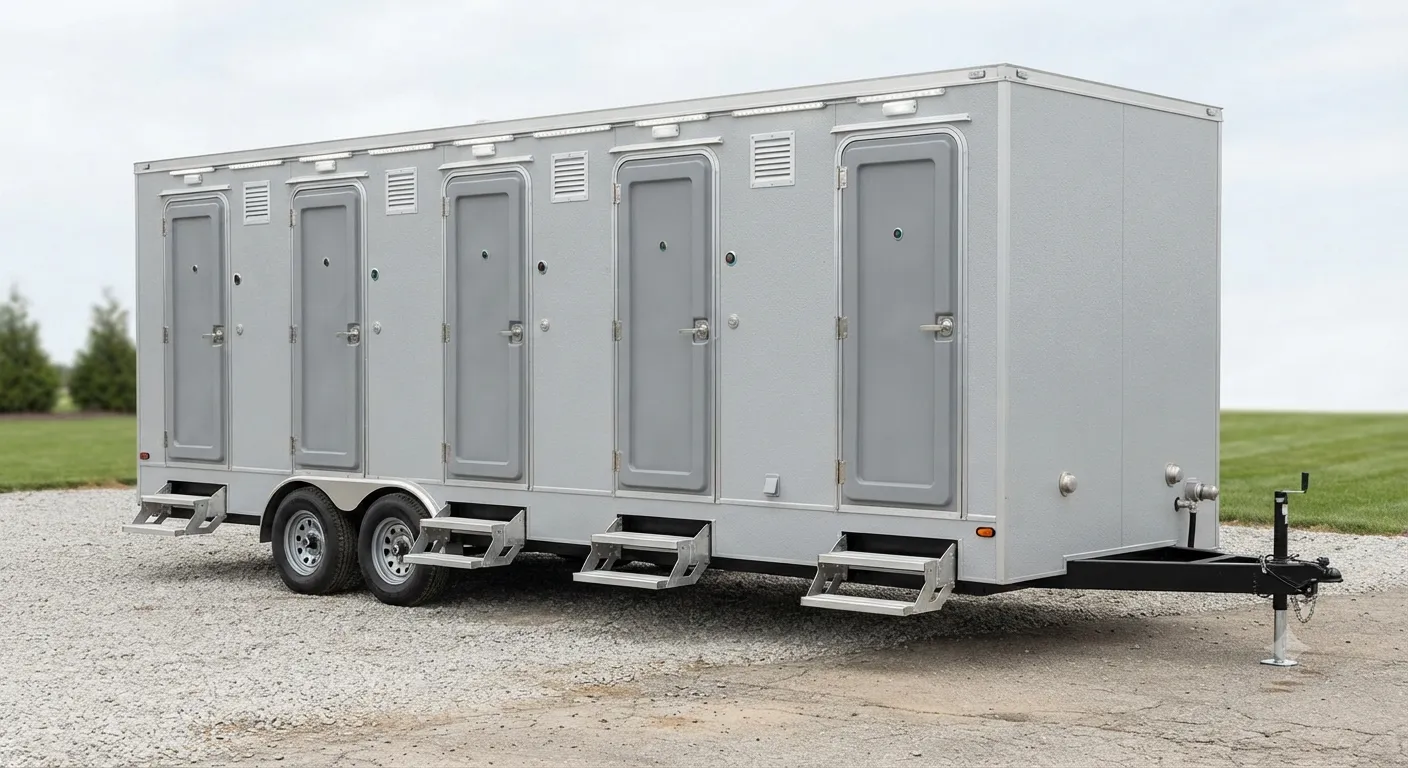
ANSI/PSAI Z4.3 sets the baseline service interval at once a week for up to 10 users across a 40 hour week, though busier sites and events need more frequent visits. Lehi Porta Pros schedules around actual usage, not just the calendar. A pumping truck vacuums the holding tank, refills the deodorizer, and restocks paper, all in a few minutes per unit. For details on what that visit actually involves, how often are porta potties cleaned covers the full routine. Septic tank cleaning chemicals used in that fluid are chosen to break down solids and control odor without damaging the tank seals, similar in principle to what keeps a home septic system running between pumpings. Speaking of which, a residential septic tank typically needs pumping every 3 to 5 years depending on tank size and household load, a very different timeline from the weekly service a rented unit needs under regular use. If your Lehi property needs that kind of service instead, septic pumping service and how often to pump a septic tank cover it separately from portable unit care.
How do camping porta potties work?
Camping units work the same as job-site ones: a sealed holding tank, a seat, and deodorizing fluid, just smaller and sometimes portable enough to carry in a truck bed. For a Lehi camping trip or a remote site with no facilities nearby, see camping porta potty for sizing and setup options.
Do porta potties smell?
A well-serviced unit should not smell strongly, since the vent stack pulls odor upward and the tank fluid controls bacteria. Smell usually means it is overdue for service or overloaded for the headcount. See do porta potties smell for what drives odor and how to prevent it.
What chemicals go in a porta potty?
A blue deodorizing fluid, typically a mix of biocides, fragrance, and dye, goes into the tank to break down waste and mask odor between pump-outs. It is added by the service technician, not something a renter buys separately.
How much does a standard porta potty rental cost in Lehi?
Daily standard rentals run from about 100 to 350 dollars depending on duration and add-ons, with weekly and monthly rates dropping the per-day cost. Full pricing detail is on porta potty rental cost and monthly porta potty rental.
Can I place a porta potty anywhere on my property in Lehi?
Placement needs firm, level ground and clearance for service trucks, and right-of-way placement needs confirming with the city before delivery. The porta potty placement guide and porta potty permit requirements pages cover setup and permit questions in more detail.
Next step
Get a delivery date
Tell us the address, the dates and the headcount. We size the order and confirm the route.